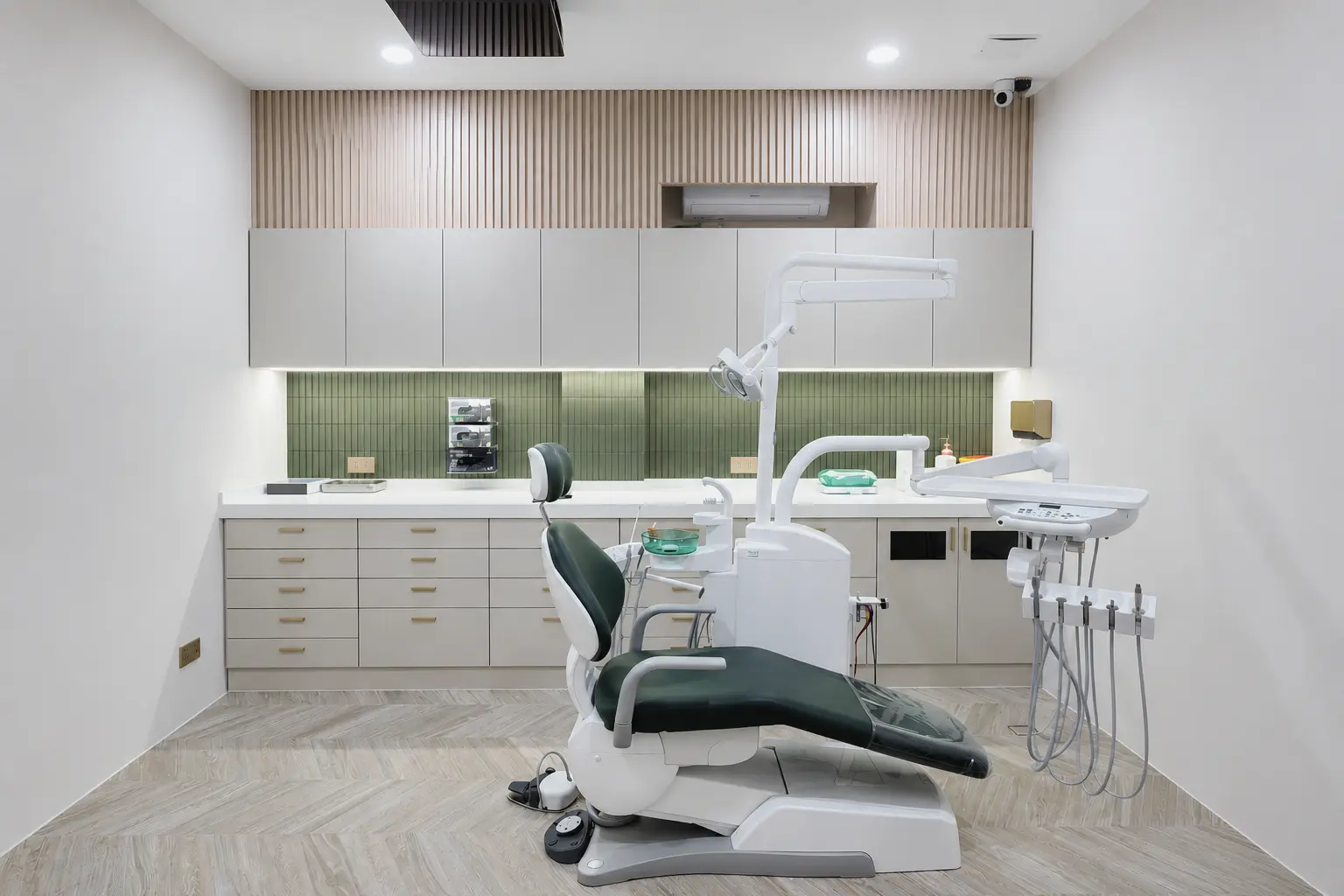
















What to Expect at Your First Visit to a Dental Clinic in Brunei
Visiting a new dental clinic can feel a little uncertain, especially if you haven’t seen a dentist for a long time. You may wonder what will happen, how much it’ll cost, or whether you’ll be judged for how your teeth are.
Don’t worry, you’re not the only one who feels this way.
Your first dental visit shouldn’t feel rushed or confusing. It should be a chance for us to understand you, assess your mouth properly, explain what we see, and help you decide what to do next.
Here’s what you can usually expect at your first visit to a dental clinic in Brunei from a dentist’s perspective.
1. Booking Your Appointment
Your first experience with a dental clinic often starts even before you walk through the door. It may begin with a phone call, a WhatsApp message, or an online booking.
When you book your appointment, we may ask for your name, contact number, main concern, and preferred appointment time. If you’re having pain, swelling, bleeding, or a broken tooth, it helps to mention this so we can guide you properly.
You don’t need to know which exact treatment you need before booking. It’s usually enough to tell us what you’re experiencing, and we can assess it properly during your visit.
2. Sharing Your Medical and Dental History
Before we examine your mouth, we’ll usually ask about your medical history. This may include medical conditions, allergies, medications, pregnancy, past surgeries, or previous reactions to dental treatment.
These questions matter because your general health can affect your dental care. Some conditions or medications can affect bleeding, healing, dry mouth, gum health, or the way certain treatments need to be planned.
We may also ask about your dental history. This helps us understand what treatment you’ve had before, what your past experiences were like, and whether there’s anything that makes you feel nervous during dental visits.
The more we understand you, the better we can care for you.
3. Talking About Your Main Concern
Once you're in the room, we’ll usually start by asking what brought you in.
It could be pain, sensitivity, bleeding gums, a broken filling, a missing tooth, or an aesthetic concern. It could also be something simple, like wanting a check-up and cleaning.
This is your chance to explain what you’re worried about. You can tell us when the problem started, what makes it worse, what makes it better, and what you hope to achieve from the visit.
We want to listen before we dive into the mouth straight away, because the story behind the problem often helps us understand what may be going on.
4. The Dental Examination
After discussing your concerns, we’ll examine your teeth, gums, and surrounding tissues. This helps us look for problems such as tooth decay, gum inflammation, cracked teeth, worn teeth, infection, or other changes in the mouth.
The examination should feel comfortable and straightforward. If something feels uncomfortable, you can let us know and we will make necessary adjustments.
Not every dental problem is obvious when you look in the mirror. Some problems can be painless at the start, while others may look small but need more careful assessment.
This is why your first visit isn’t only about fixing what's hurting. It’s also about understanding your overall dental health.
5. X-rays, Only If Needed
Sometimes we may recommend X-rays because some problems can’t be seen clearly just by looking in the mouth.
X-rays can help show decay between teeth, infection around the roots and surrounding bone, impacted teeth, or problems under old fillings and crowns.
You won’t need an X-ray at every visit. It depends on your symptoms, your dental history, and what we find during the examination.
If we recommend an X-ray, we’ll explain why it’s needed and how it helps with diagnosis or treatment planning.
6. Explaining What We Find
After the examination, we’ll explain what we found in a way that’s easy to understand.
You should know if your teeth are healthy, if your gums need attention, if there are cavities, if an old filling is failing, or if a tooth needs more treatment.
If there’s a problem, we’ll explain what it is, how serious it is, what may happen if you leave it, and what options are available to treat it.
This is where clear communication matters. You shouldn’t leave the clinic feeling confused about what’s happening in your mouth.
7. Discussing Your Treatment Options
Your first visit doesn’t always mean treatment has to be done immediately. Sometimes the best next step is to discuss the findings, understand your options, and plan treatment properly.
Some problems can be treated simply. Others may need more than one visit. Some treatments may have different options depending on cost, appearance, durability, and your long-term goals.
We’ll guide you through these choices without pressuring you. You should understand the benefits, limitations, and alternatives where possible.
The aim is to help you make a decision that feels right for you.
8. Treatment on the Same Day
In some cases, we can do treatment on the same day. This may include a simple filling, temporary filling, scaling and polishing, or treatment to relieve pain.
But this depends on the problem, the amount of time available, and whether the treatment can be done properly without rushing.
For more complex problems, we may recommend a separate appointment. This gives us enough time to plan the treatment, explain the steps, and carry it out properly.
Good dental care shouldn’t feel rushed just because it’s convenient to do everything at once.
9. Understanding the Cost
Cost is an important part of dental care, and it’s normal to ask about it.
Before starting treatment, you should have an idea of the expected cost where possible. If there are different treatment options, we’ll help you understand the differences.
You should feel comfortable asking about fees before agreeing to treatment and you shouldn't feel pressured into accepting treatment that is out of your budget.
10. What Happens After the Visit
At the end of your first visit, you should have a clearer idea of your dental health and what should be done next.
We may give you advice on brushing, flossing, diet, gum care, or how to manage a dental problem at home. We may also ask you to return for further treatment, a review, or regular maintenance.
If treatment is needed, we’ll help you understand the next step and how to prepare for it.
A good first visit should leave you feeling clearer, calmer, and more confident about your dental care. We hope that you will feel more empowered to take charge of your dental health.
Final Thoughts
Your first visit to a dental clinic in Brunei shouldn’t be scary or confusing. It should be a chance for you to understand your mouth, ask questions, and get clear advice from a dentist you can trust.
You don’t need to feel embarrassed about the condition of your teeth or if it’s been years since your last dental visit. You don’t need to know exactly which treatment you need before you come in. That’s what the consultation is for.
At Two Smiles Dental Clinic, we want your first visit to feel calm, clear, and personal. We’ll take time to understand your concerns, explain what we find, and guide you through your options.
If you’re looking for a dental clinic in Brunei for your first visit, we’d be happy to welcome you.